How Chesty Font Elevated My Brand’s Visual Identity
I remember the moment I realized how much typography could impact my business. I was sitting at my kitchen table, preparing a new batch of custom candle labels for my small shop. The old font I used felt too generic, and I wanted something that would make my brand stand out more. That’s when I discovered Chesty, a font that perfectly blended elegance with a vintage charm.
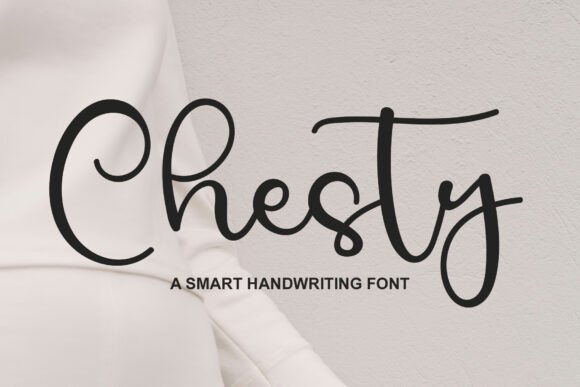
Chesty is a script font that feels both handwritten and refined. It has fluid strokes, graceful curves, and a dynamic flow that gives it a timeless appeal. It’s not just any font—it’s one that carries a story, a sense of warmth, and a touch of sophistication. As someone who runs a small business, I needed something that would reflect the personality of my brand without being too over the top.
A Simple Change, A Big Impact
The first thing I did was test Chesty on my product labels. I printed a few sample labels using the old font and then compared them with versions using Chesty. The difference was immediate. The new labels felt more personal, more inviting. Customers could tell that there was thought behind the design, and it made my products feel more special.
Soon after, I started using Chesty in other areas of my brand. From social media posts to packaging, it became a consistent element that helped create a unified visual identity. I even used it for my website banners and email headers. Every time I saw my brand in print or online, it felt more polished and professional.
Where Can You Use Chesty?
Chesty is incredibly versatile. Here are a few practical ways I’ve used it:
- Logo Design: Its elegant look makes it perfect for logos that need a classic yet modern feel.
- Product Labels: It adds a touch of class to everything from skincare bottles to handmade soap jars.
- Packaging Design: Whether it's a box for baked goods or a tag for a boutique item, Chesty brings a unique flair.
- Social Media Graphics: I use it for captions, headers, and promotional posts to keep my brand’s style consistent across platforms.
- Menus and Flyers: It works well for short phrases and display text, making it ideal for café menus and event flyers.
It’s important to note that while Chesty is great for headlines and decorative accents, it might not be the best choice for long paragraphs of body text. For readability on smaller screens or printed materials, pairing it with a clean sans serif font can help maintain balance and clarity.
Typography That Builds Trust
As a small business owner, I quickly learned that typography plays a huge role in how customers perceive your brand. Chesty helped me create a more trustworthy and memorable image. When people see my branding—whether on a label, a card, or a social post—they recognize the same style, which builds familiarity and confidence.
Consistency is key in design. Using Chesty throughout different elements of my brand gave it a cohesive feel. It wasn’t just about looking good—it was about creating a visual language that spoke to my audience in a way that felt authentic and welcoming.
Choosing the Right Font for Your Business
If you're thinking about using Chesty for your business, here are a few things to consider:
- Check the File Formats: Make sure the font comes in formats like OTF or TTF so you can use it across different design tools.
- Look for Ligatures and Alternates: These can add extra character and detail to your designs.
- Confirm Commercial Licensing: If you plan to use the font on merchandise, templates, or client work, ensure it has proper commercial rights.
- Test Readability: Always check how the font looks on different sizes and backgrounds, especially for small labels or mobile screens.
I also found that pairing Chesty with a complementary font helped enhance its impact. For example, using a clean sans serif font for body text alongside Chesty for headings created a nice contrast that kept everything legible yet stylish.
Whether you're running a bakery, a beauty brand, or an online shop, choosing the right font can make all the difference. Chesty has become a staple in my design toolkit, and I know it can do the same for your brand too. It’s not just about looking good—it’s about feeling right. And that’s what makes a brand truly unforgettable.